


In this unique interdisciplinary program, students explore the links between many different areas of art and design, including architecture, products, furniture, public art, and creative placemaking. The curriculum focuses on the concept of design thinking—a fundamental process of problem-solving that addresses social challenges and the tangible needs of users. While other majors emphasize specialization, the Comprehensive Design major fosters a multifaceted understanding of the design process and equips students with valuable skills to reach across disciplines and collaborate with individuals from varied backgrounds.
Upon completion of this major, graduates will be prepared to enter a professional graduate degree program such as our J. Irwin Miller Architecture Program (M. Arch), continue studies in art and design, or begin a career in a variety of design professions.
A hands-on, multifaceted approach to the design process



Is it for you?
The Comprehensive Design B.S. degree attracts students with a variety of backgrounds and interests in art and design.
Students typically possess some of the following qualities:
- Artistic ability and interest in one or more disciplines such as architecture, product design, drawing, graphic design, photography, sculpture, ceramics, furniture design, or fashion design
- Interest in sustainability, ecological living, and social awareness
- Technical ability for developing digital fabrication and computer skills, including computer-aided design (CAD) programs, laser cutting and engraving, 3D printing, and more
- Affinity for both the arts and the liberal arts disciplines, including the history of art and architecture
- Organizational and decision-making skills as well as the ability to work well with others on a team
B.S. in Comprehensive Design curriculum
See the College Undergraduate Bulletin for a full list of requirements for your major. Choose your requirement term or Bulletin year in the upper right-hand corner of the page.
View a full list of courses and descriptions in the College Bulletin
See Comprehensive Design degree-specific laptop requirement information.
Enhance your major
Sketch + render + build
When pursuing a major Comprehensive Design, you'll investigate both analog and digital applications of drawing, 2D composition, and 3D construction, utilizing more complex methods to realize your designs.
You will develop free-hand sketching and hard-line rendering skills, and create prototypes of objects and spaces using traditional building techniques while also employing the latest 3D modeling and 3D printing technology.

Capstone Experience
During the last year of the Comprehensive Design program, students will complete a Capstone experience. The Capstone Experience allows students to research a problem they'd like to investigate. Next, through a process of interviewing users, students further define the problem using a "How Might We" statement. Through prototyping and testing with the users, students develop their solutions.
Check out the exhibits from 2024's and 2023's Capstone Students:
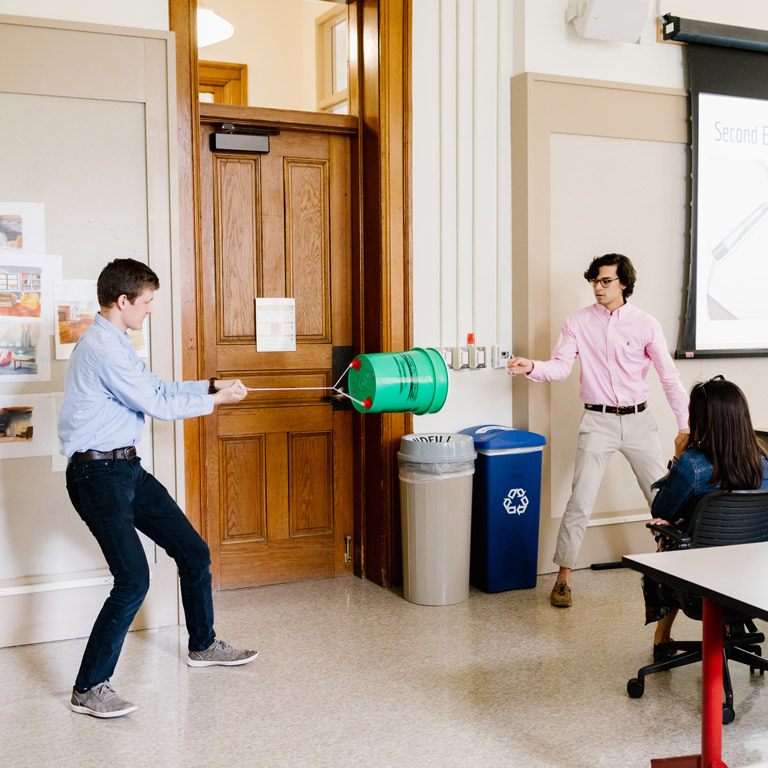
Work productively in teams of artists + designers
Creative collaboration is a skill that takes years to master. You will have the ability to respect, understand, and critically evaluate work across the disciplines of art, design, and merchandising. And you will gain a thorough understanding of the skills needed to solve problems unique to the industry.
Comprehensive design internships
Many students begin exploring internship opportunities as early as their first year, though many employers prefer students who are juniors or seniors.
IU provides networking opportunities and career services through the College of Arts and Sciences Walter Center for Career Achievement. Students can schedule an appointment to meet with a career coach affiliated with their major to discuss the process of researching internships and preparing effective resumes and cover letters.
Additionally, the Comprehensive Design faculty provide opportunities for networking with industry professionals through job shadowing, field trips, and guest speakers in the classroom. They are also available, by appointment, to assist in resume and portfolio preparation for internships.